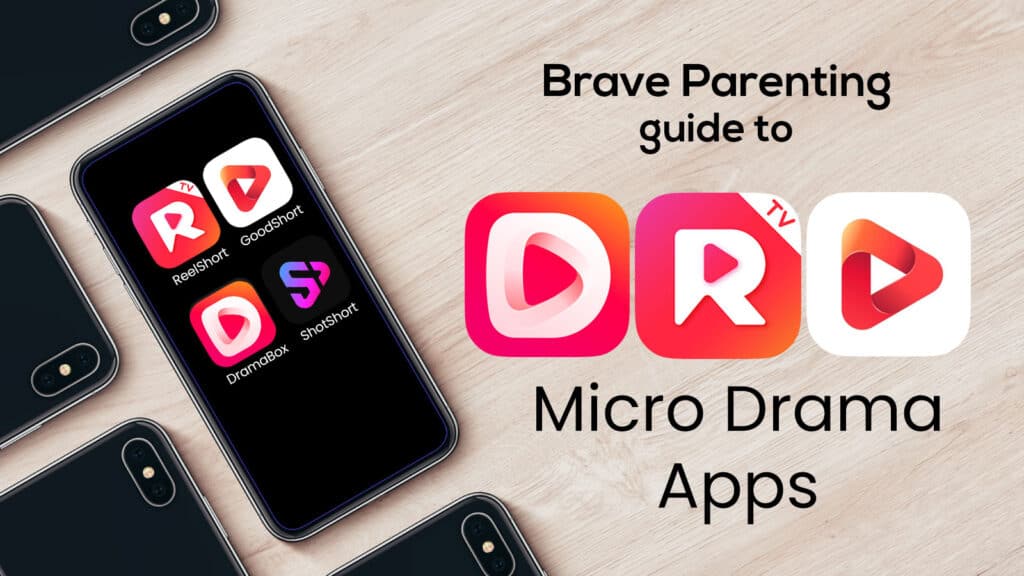
We’ve entered into a short-form video epidemic. As if social media short-form content (TikTok, IG Reels, YouTube Shorts) wasn’t bad enough for our diminishing attention spans, now “micro drama” apps have entered the marketplace as the “future of entertainment.”
According to a recent Variety article, the microdrama industry is “racing toward $26 billion in annual revenue by 2030”
In this guide, we will unpack the basic facts every parent must know about these apps and offer a biblical perspective to help Christian families navigate their growing popularity.
#1 What are MicroDrama Apps?
These mobile streaming platforms offer vertical TV dramas broken into very short episodes. Like 1-2 minutes short. They market themselves as “snackable” or “bite-sized” entertainment that you can enjoy on the go.
Examples include:
ReelShort DramaBox GoodShort ShotShort




Drama is a key aspect of these platforms. The content is overwhelmingly toxic romantic dramas with sexualized themes, high conflict, and focused on wealth, infidelity, and intense emotional cliffhangers.
Even if this type of content sounds ridiculous, their aggressive advertising on Instagram, TikTok, and YouTube has launched these apps into the mainstream.
#2 How These Apps Operate
Even though each app has its own catalog of dramas, their strategy is essentially the same.
- Short, Cliffhanger Episodes
- Every episode is 1-3 minutes long
- Every episode ends with high tension to push the viewer on to the next episode.
- Some Free Content
- Users are given a few free episodes before episodes are locked.
- Unlocking episodes requires waiting hours, watching ads, earning rewards, or paying money.
- The apps utilize coins, keys, or tickets as “rewards” to earn content.
- Microtransactions
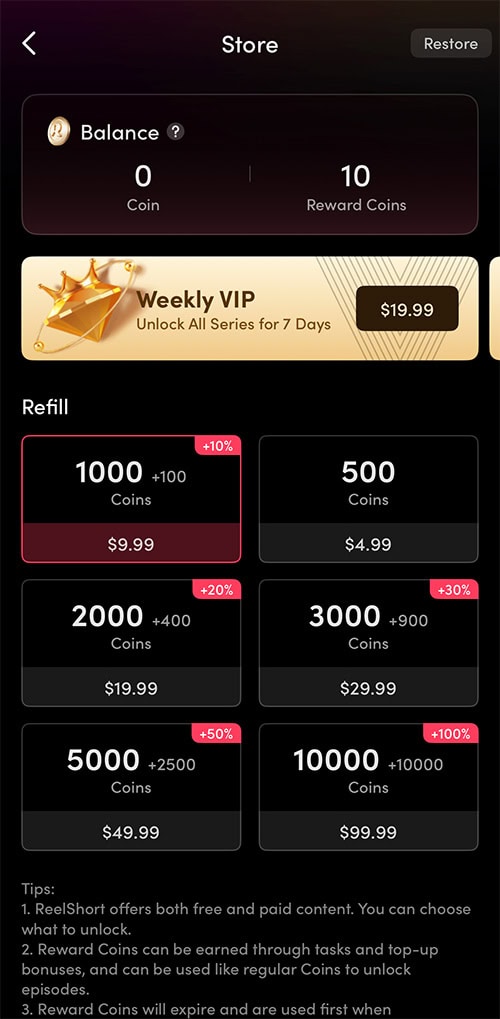
- Much like mobile gaming, small payments of $0.99 to $6.99 are easy to make and repeated endlessly.
- Timers are used to create fear of missing out.
- “Bundles” and “limited offers” are used to promote impulse buying
- Hyper-Repetative Content
- Toxic romance
- Billionaire/CEO + helpless girl fantasy
- Love triangles
- Obsession, jealousy, revenge
- Villainous women or heroic/abusive men
- End Goal = Addiction
- The apps openly tout “endless addictive movie shorts”
- They encourage users to watch anywhere, anytime, whether on their commute, in a restaurant, or before bed.
- They employ hyper-personalized recommendations through data collection
#3 Content
Although the apps’ Terms of Service state that the content is not for users under 18, there is a strong sense that the target audience is teen girls and young women. Just as popular young adult romance novels have become a source of soft pornography for this demographic, micro dramas now occupy similar territory in video form.
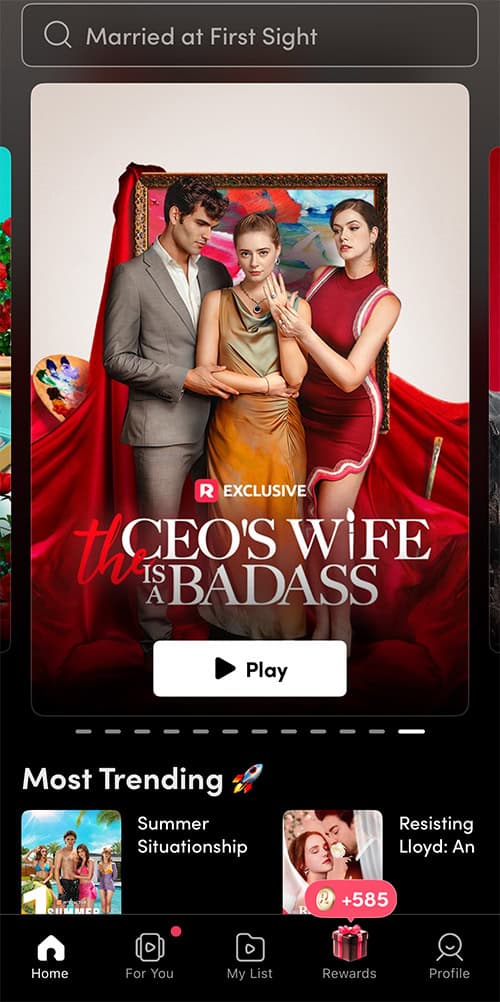
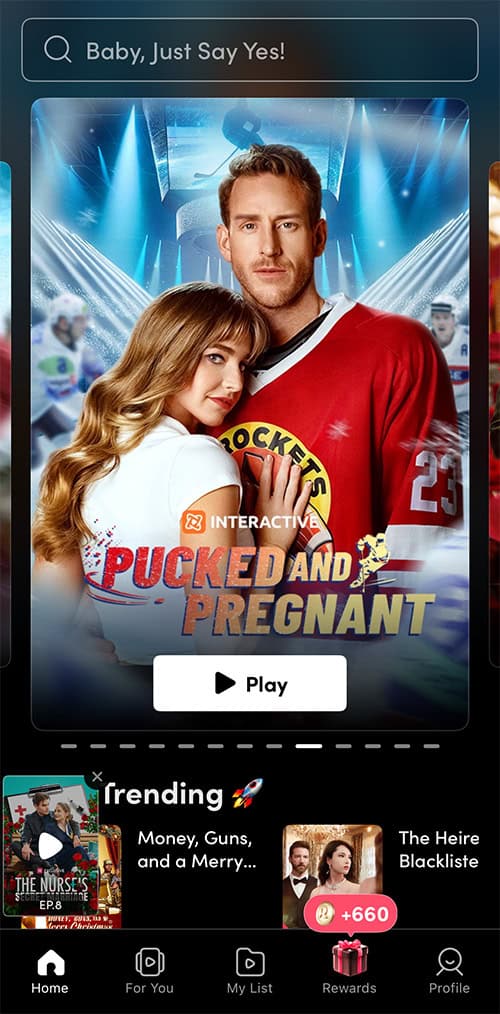
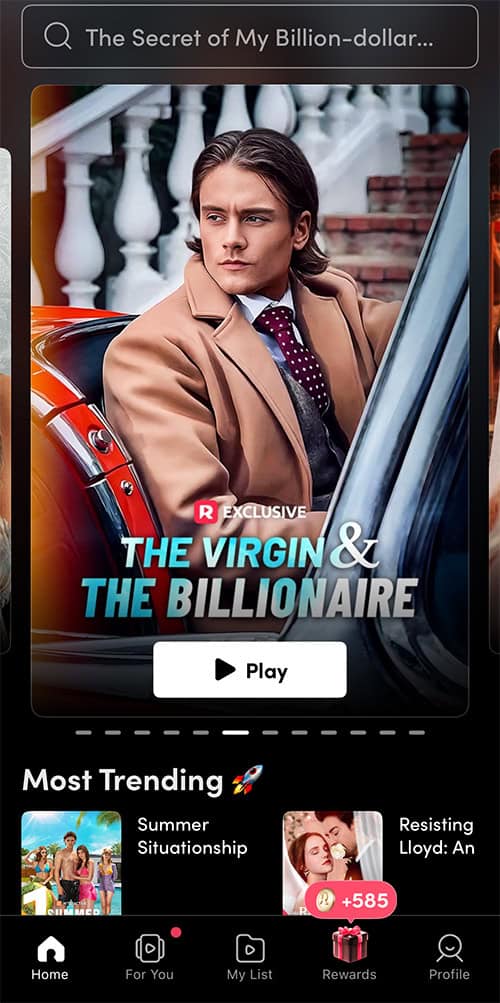
Unfort unately, there is no age verification process on these apps. Upon download, it doesn’t even require an account to be created before watching.
There is only a bypassable pop-up warning of mature content.
As if any young person would pause, contemplate, and choose “Cancel” instead of “Confirm.”
Many of the shows include an “Interactive” feature where, a minute into the episode, the viewer gets to choose how the character responds. A sort of “choose-your-own-adventure” style of viewing that can be exciting and addictive.
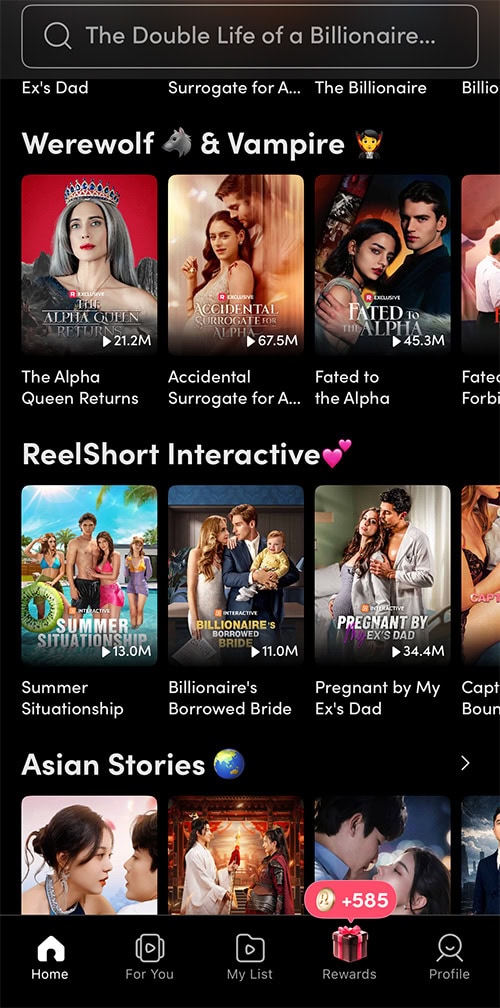
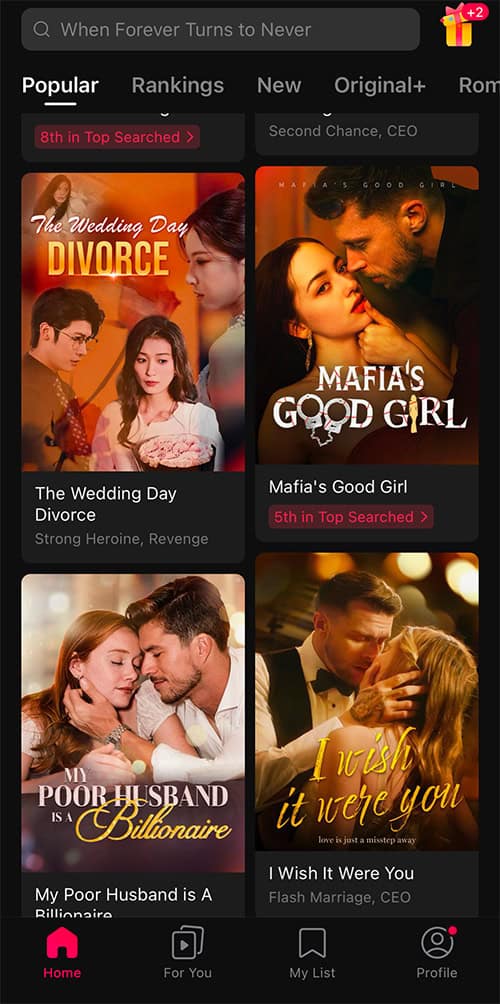
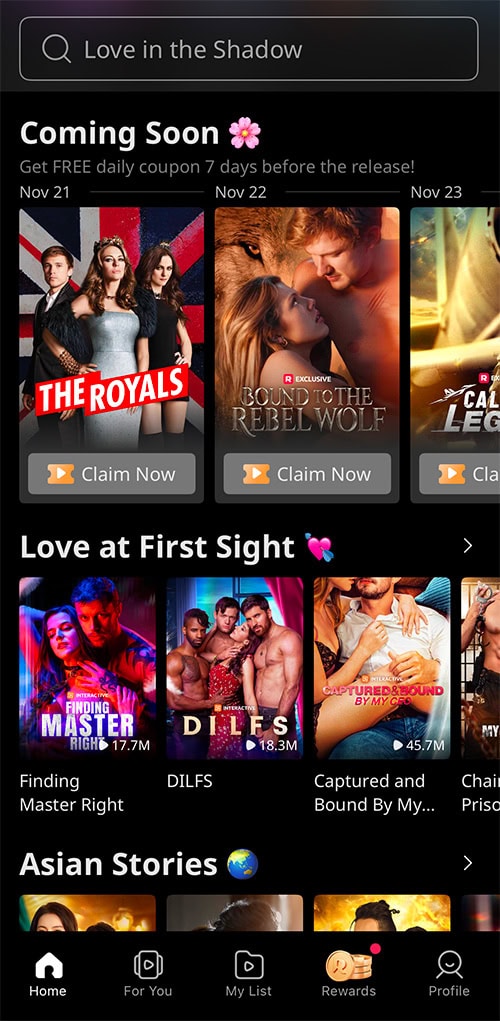
The content hits its mark with teens because of its emotional intensity, instant gratification, and, sadly, because the fantasy of romantic, embodied relationships (toxic or not) satisfies a natural longing for relational intimacy.
#4 Cost
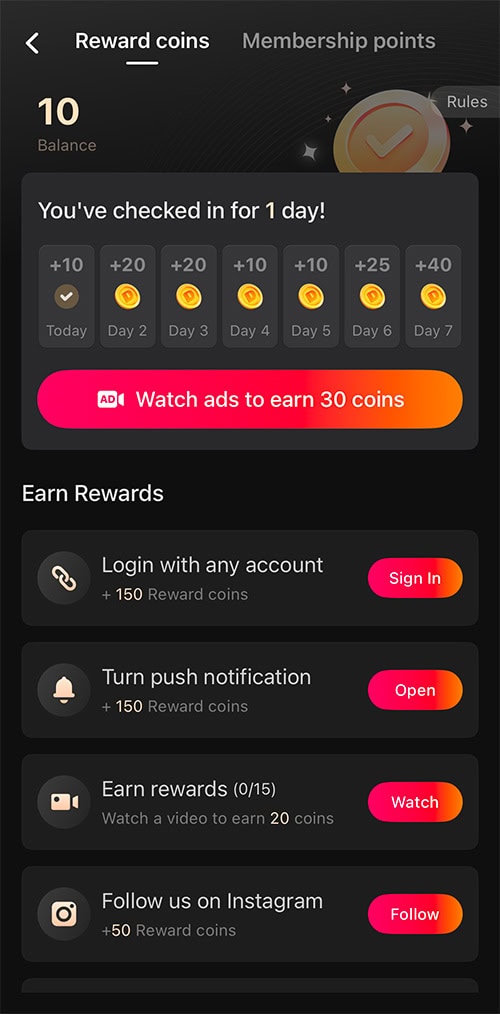
While the apps are free to download, they are engineered for maximum engagement through earned rewards and continual spending.
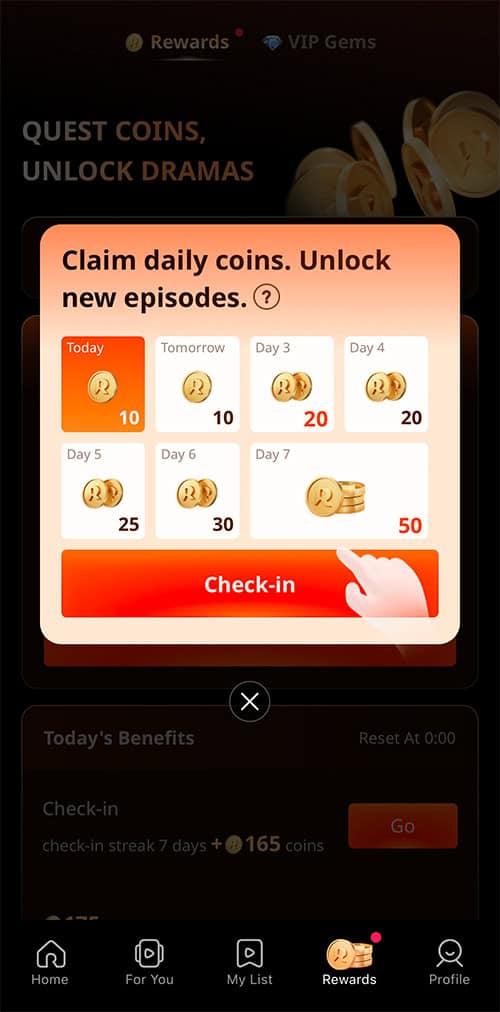
Coins, tokens, or tickets (varies based on app) can be earned by:
- Daily check-ins (streaks)
- Watching ads
- Creating or logging into an account
- Watching promo videos
- Turning on push notifications
- Following social media accounts
Or, the user can just pay for the coins in order to gain access to more episodes.

#5 Rating, Recommendation, and Biblical Perspective
Apple App Store: 12+ (GoodShort 9+)
Google Play: T for Teen
Apps themselves: 18+
Brave Parenting: Not Recommended – for teens or adults
There is zero redeeming value found in short-form movie apps such as ReelShort, DramaBox, GoodShort, or ShotShort. It’s an exploitative business model that cares little about the dignity of humans. The capitalize on addiction and celebrate sin.
These apps are a shining example of app marketplaces’ dangerously inaccurate age rating system. If an app’s terms of service require 18+, that should be reflected in the app store ratings. Otherwise, parents restricting app downloads based on age ratings (which is most common in Apple’s Screen Time) may have no idea their kids are consuming such content.
This is why we recommend kid-safe phones such as Pinwheel, Gabb, Trumi, or Bark for teens. These phones require a parent to download any apps to the phone. If these phones aren’t financially feasible, an iPhone with Screen Time enabled can restrict ALL APPS without parental approval. You can even remove the app store so your child doesn’t have the temptation to search around.
Furthermore, these apps can be financially costly. No child or teen should have access to use a parent’s credit card to spend without regard for any app, but especially apps like these. Even if the teen has their own money saved or earned, a blanket restriction on in-app spending should be established. Regardless of whose money is spent inside these apps, the investment returns negative dividends of addiction and corrupted views of human relationships.
Biblical Perspective
There are many biblical concerns with short-form drama apps. We’ll highlight two:
Celebration of Sin
The New Testament condemns sexual immorality (Greek word porneia) approximately 25 times. Granting a wider context of sexual sin to include adultery, incest, and prostitution, there are nearly 200 references in Scripture, all referenced in a negative context.
God created sexual intimacy to be between one man and one woman in the context of marriage. Any form of entertainment that distorts that truth and celebrates sexual sin has no place in the life of a Christian.
The apostle Paul wrote to the church in Galatia regarding the obvious sins people commit when they “walk in the flesh” rather than in the Spirit:
The acts of the flesh are obvious: sexual immorality, impurity and debauchery; idolatry and witchcraft; hatred, discord, jealousy, fits of rage, selfish ambition, dissensions, factions and envy; drunkenness, orgies, and the like. I warn you, as I did before, that those who live like this will not inherit the kingdom of God.(Galatians 5:19-21)
It is obvious by the titles alone that these micro dramas walk in every sinful act of the flesh possible. Paul warns that those who live like this will not inherit the kingdom of God – meaning they will not enter eternity with Christ, but live eternity in hell.
This is not something to be celebrated, but to be mourned! We want all people, regardless of their past, to come to saving faith in Jesus Christ – to be washed, sanctified, and justified (1 Corinthians 6:9-11).
You, my brothers and sisters, were called to be free. But do not use your freedom to indulge the flesh; rather, serve one another humbly in love.For the entire law is fulfilled in keeping this one command: “Love your neighbor as yourself.” (Galatians 5:13-14)
Christians must reject the celebration of sin in our freedom to enjoy entertainment. Even more, we must love our neighbors (and children) enough to renounce this sinful indulgence in the flesh and prohibit the use of these apps.
Addiction
As Christ followers, we are called and commanded not to be mastered by anything, whether through addiction or harmful habits.
“I have the right to do anything,” you say—but not everything is beneficial. “I have the right to do anything”—but I will not be mastered by anything. (1 Corinthians 6:12)
Internet culture is saturated with attention capitalism. There is fierce competition among app developers, streaming platforms, video game creators, and everyday influencers to gain the world’s attention and make money. They promise entertainment, satisfaction, and happiness while caring very little about the human condition, the rising rates of loneliness, depression, anxiety, and purposelessness.
The more attention capitalism continues, the more people cave to the promises of pleasure, to physical hedonism. It’s the idea that if it feels good, why deny yourself?
This is a legitimate question young people are asking: Why deny myself?
First, because enslavement is bad. Yielding to the mastery of an app for pleasure leads to yielding to other physical pleasures that are not good for the body. Sin is a slippery slope. The consequence of sin is death (Romans 6:23).
Also, because our physical bodies are not separate from our souls. The behaviors our physical bodies engage in cannot be separated from the spiritual union with Christ that believers possess.
Do you not know that your bodies are temples of the Holy Spirit, who is in you, whom you have received from God? You are not your own; you were bought at a price. Therefore honor God with your bodies. (1 Corinthians 6:19-20)
When we seek out and love the pleasures the world offers, we deny the joy and peace given through our union with Christ. It’s essentially saying, Jesus, you’re not enough to satisfy me physically – I must take pleasure in the world. We cannot have physical hedonism and spiritual joy.
“No one can serve two masters. Either you will hate the one and love the other, or you will be devoted to the one and despise the other. You cannot serve both God and money.” (Matthew 6:24)
It is the constant pursuit of worldly pleasure that leaves the soul empty, the heart lonely, and the mind in anxiety. We were not created to be entertained; we were created in Christ Jesus to do good works, which God prepared in advance for us to do (Eph 2:10).