Resale apps have found a stable home in the Top Free Apps of the App Store. Ostensibly, the apps are online versions of consignment shops, but many have become algorithmic entertainment platforms.
Here are 5 things every parent must know about resale apps.
#1 More like social media than an online thrift shop
When you think of online resale, chances are you think of Craigslist or eBay. On these sites, you generally look for what you need, buy it, and you’re done. Similarly, when you think of a thrift store or consignment shop, you arrive, browse for what you’re looking for, buy it, and you’re done.
Modern resale apps are more like social media. They have algorithms that create personalized feeds, make recommendations, track favorited items, and suggest items based on collected data. Like Instagram, the apps track followers and following counts. They offer challenges and rewards. If authorized, they send notifications about items they think you should desire. And they have an endless feed for perpetual browsing.
So, while the content may be shopping, the behavior is still scrolling, and the character formation is still shaped by competition, comparison, and covetousness.
Even more concerning, it has been reported that predators are using Resale apps to direct message sellers asking perverse questions, requesting worn undergarments, and copying images for deepfake creation and distribution.
#2 Depop – Social circular fashion
Depop was originally started as a social network for readers of a fashion magazine to buy featured items. The company pivoted to a peer-to-peer resale app blending Instagram and eBay. It was acquired by Etsy in 2021 and then by eBay in 2026.
Depop is popular with teens, as it is one of the only platforms that welcomes ages 13+.
The social nature is found in the collection of followers, likes, and the following of others. Circular fashion is the resale of goods to extend an item’s lifespan and reduce waste.
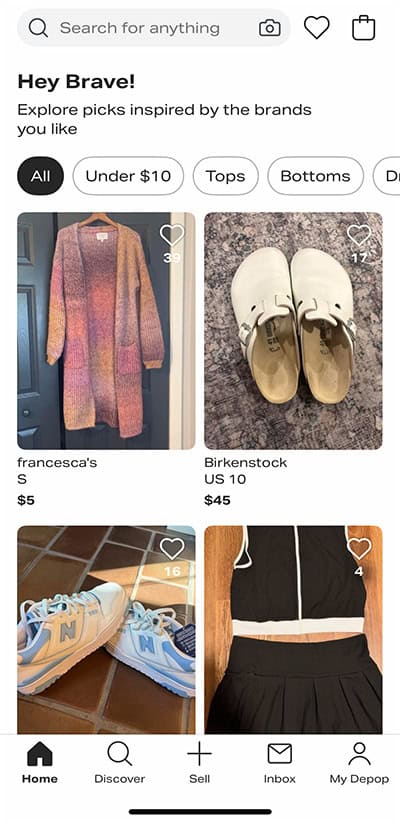
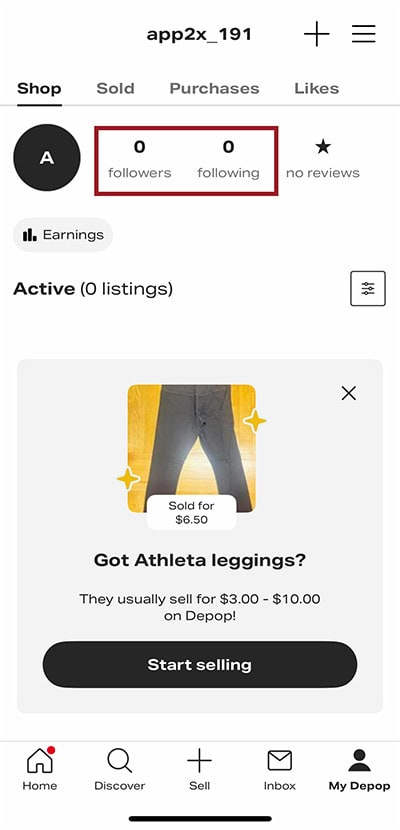
Its design is straightforward, but one key design feature stands out: Discovery. Depop not only serves as a resale app but also lets users discover trends, styles, and new items.
Users can browse outfits created by other users, remix the outfit someone created, or create their own.
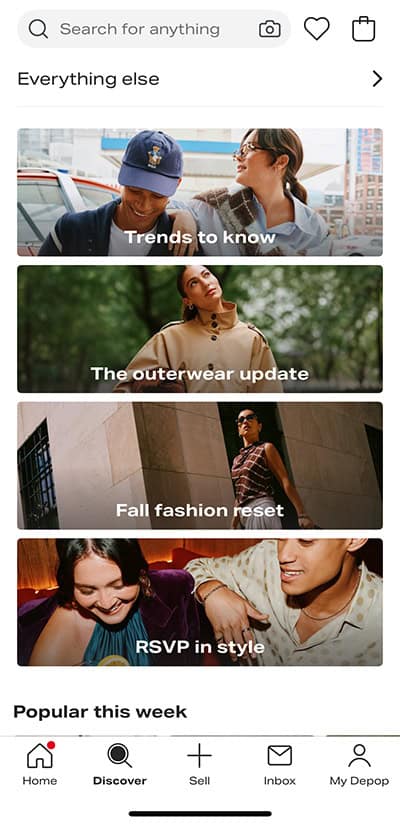
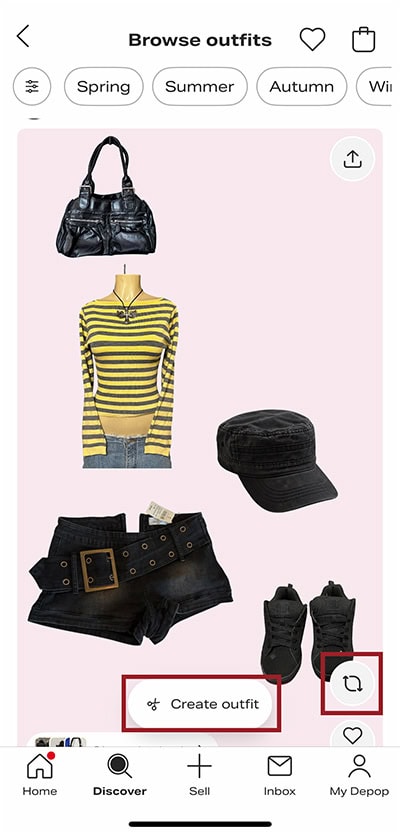
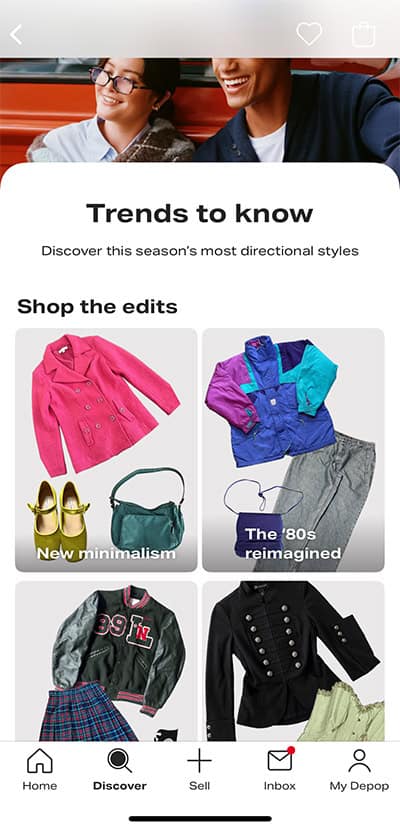
Depop’s algorithm is strong. One look at an item will focus your Suggested For You on that item. In other words, it learns about each user with every swipe and tap to achieve maximum engagement.
If they can show you exactly what you’re willing to buy and willing to scroll through, they know you’ll spend more time. If they give you a creative outlet to showcase your style and curate your identity, you will likewise spend more time. If they can build your worth with likes and follows, they know you’ll keep coming back.
The CEO of Depop described the app as “a place for self-expression, connectivity, and the engaging aspects of social media – ideally without the detrimental effect it can have,” in an interview for TIME Magazine’s Most Influential Companies of 2026.
#3 Vinted – Selling = Buying
Vinted began as a modest app to help its creator sell extra clothes when moving. Its noble mission is to make second-hand easy, affordable, and trustworthy. Vinted CEO says, “We all know that the fashion industry causes significant harm to our planet, and we feel we have an opportunity to contribute to change this.”
Vinted requires users to be 18, but minors are permitted through their parent/guardian.
The app is simple to use, with a “for you” feed, an option to browse specific categories, and a straightforward selling process.
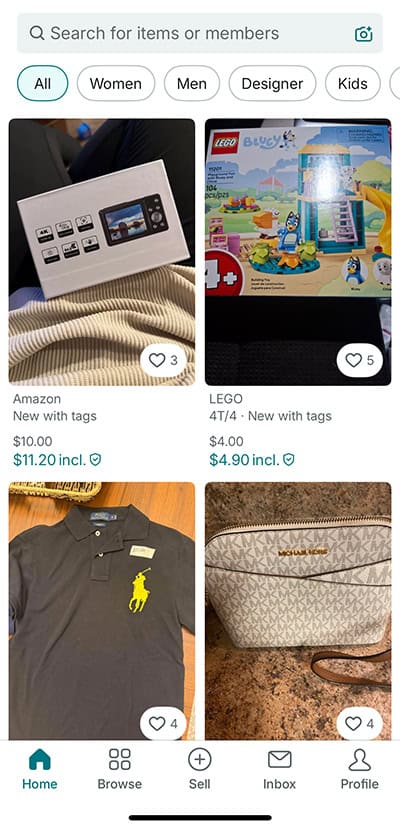
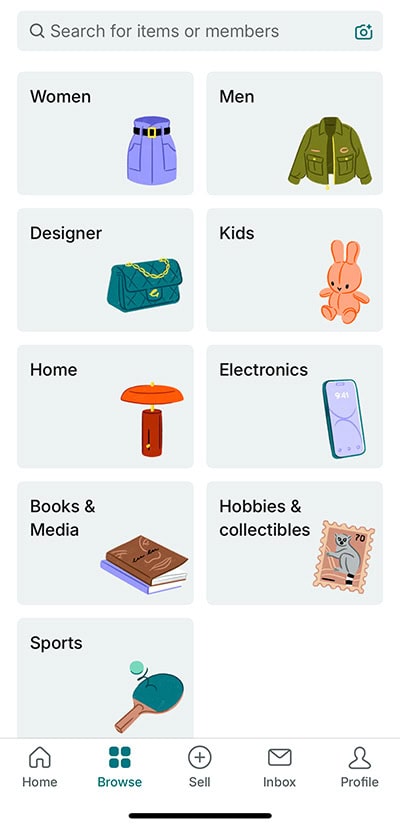
Vinted has held the #1 and #2 spots on Apple’s App Store for Top Free Apps, beating tech giants like Meta, ChatGPT, Claude, and TikTok. This begs the question: what makes Vinted so popular?
Some say it is the ease of selling. There are no seller fees, and the buyer pays the minimal shipping costs required by Vinted. Because the customer base is so large, items sell fast, and money is made quickly.
But articles, social media posts, and blogs describe the ease of selling as the gateway to their “addiction.” What I learned from my Vinted addiction in Good Housekeeping; How much is too much; Confessions of a Vinted addict in Medium; Why is Vinted so Utterly Addictive? on a UK influencer’s blog; and Every Mom I Know is Hooked on a Resale App With Mysteriously Cheap Shipping in Daily Wire.
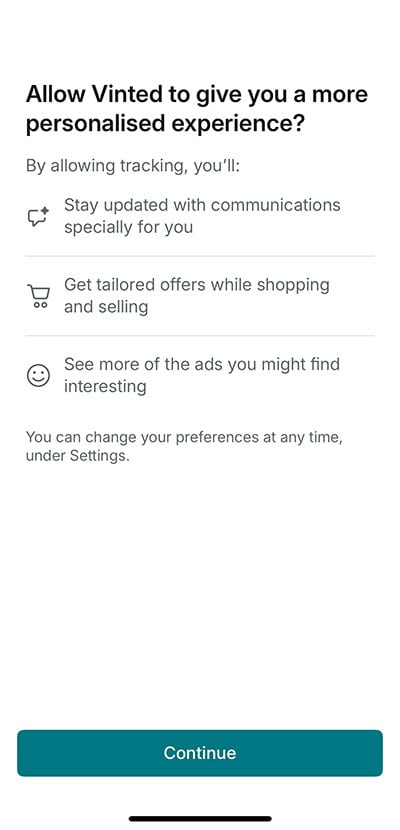
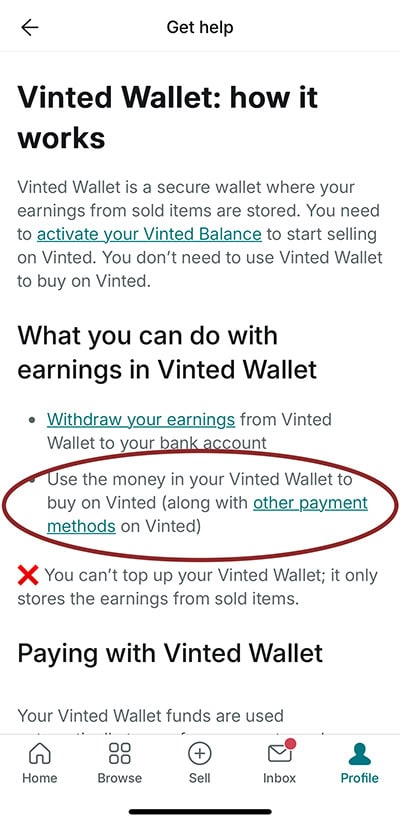
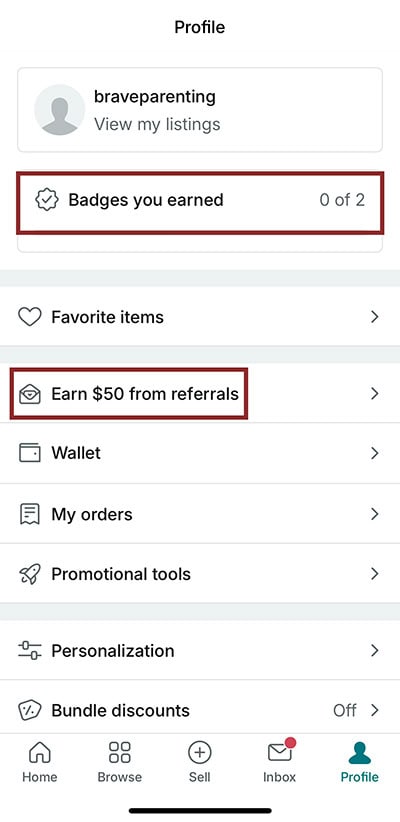
As it turns out, the personalized experience, tailored offers, and targeted ads make it really easy to spend your earnings as quickly as you make them. This creates a cycle (what some call addiction) of selling and buying continuously.
Notably, this “addiction” is happening among adult women, not necessarily teens.
#4 Whatnot – Live shopping, casino-style
Whatnot began in 2019 as a peer-to-peer marketplace for collectibles but quickly became a livestream auction site. Today, it’s a multi-billion-dollar company described as a high-energy, community-driven entertainment experience.
Whatnot requires users to be 18, but teens may participate through a parent or guardian.
This app is fundamentally different than Depop and Vinted. Its categories are vast and sometimes niche. Live auctions are happening all day and night, often with hundreds or thousands of viewers. And, based on the categories of interest you chose, the app sends notifications (if you allow them) all day long to announce live auctions.
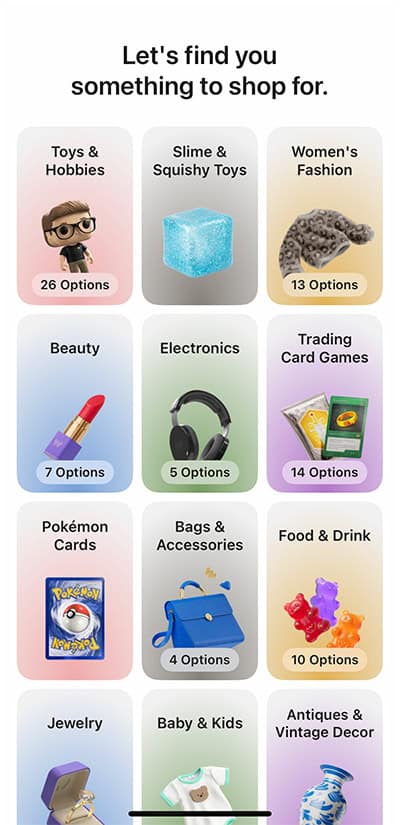
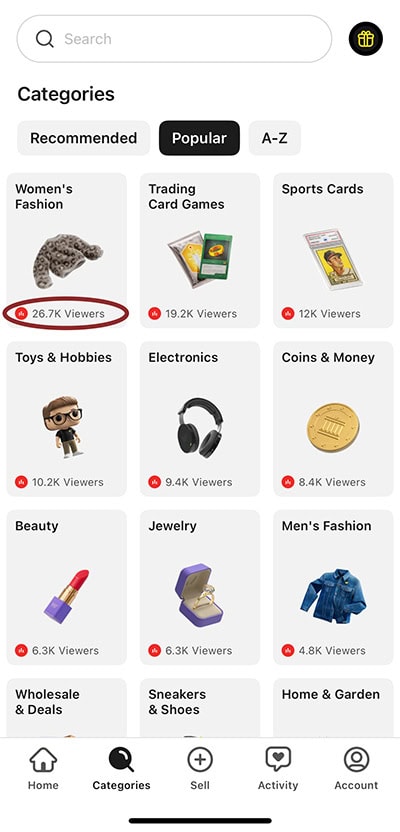
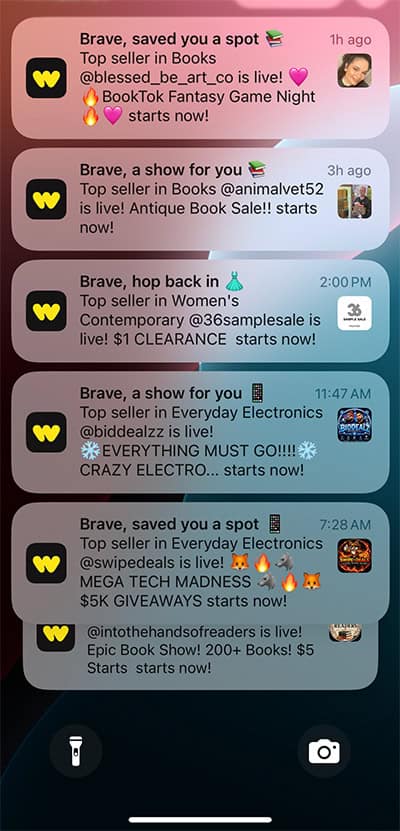
Whatnot feels more like if QVC took over a casino.
With fast-paced auctions (5 seconds to bid and buy), countdown timers (creating urgency), personal engagement between seller and viewer/buyer (we were welcomed by name when we entered a few livestreams during our testing), parasocial community (hang out, ask questions), and visually, so much happening on the screen it’s easy to be overwhelmed and hooked at the same time.
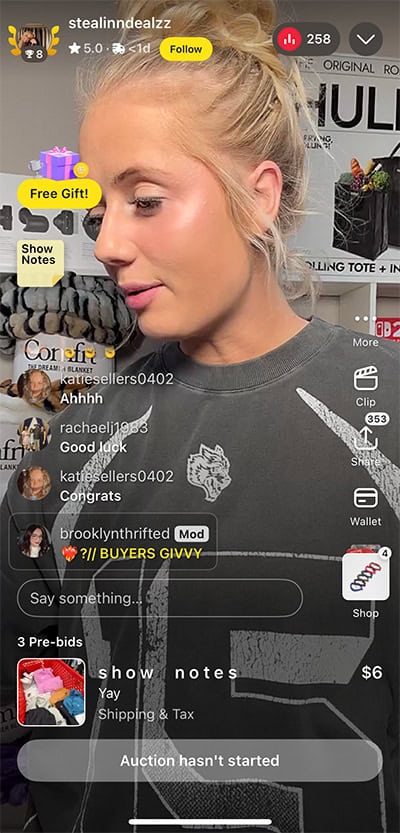
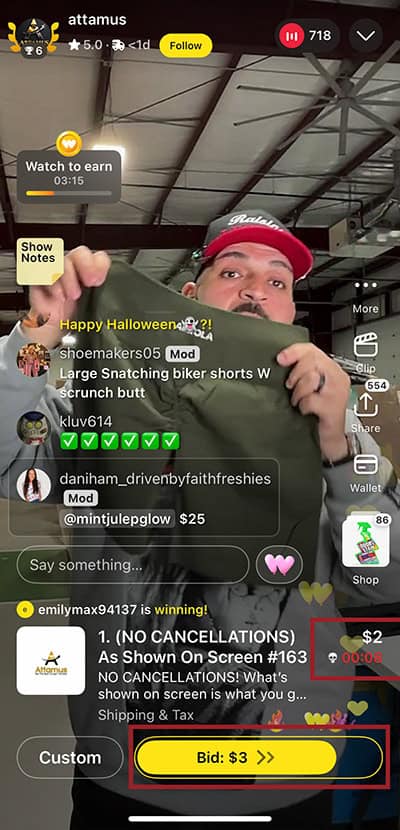
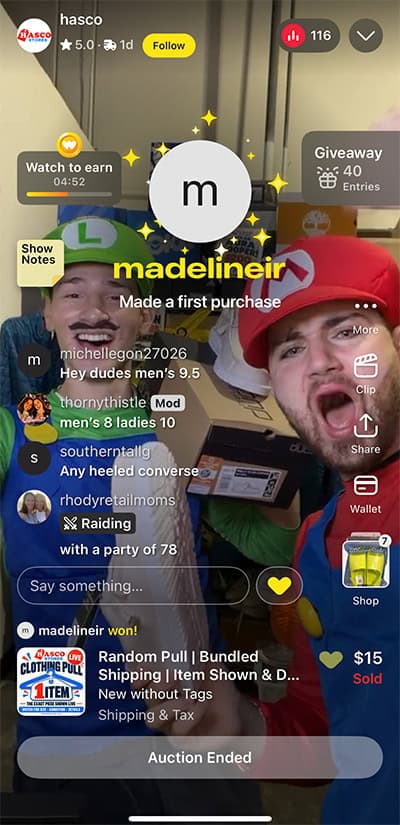
The app’s gamification seems to have no limits.
With referrals, challenges, daily streaks, rewards for watching, rewards for bidding, and rewards for entering livestream giveaways, it’s easy for someone to get sucked into these mechanics and feel like they are winning.
What exactly are they winning, though? Sure, sometimes they get a good deal on a product, but they also earn points that can be spent in the Point Shop on digital aesthetics to enhance how their engagement appears. Which is essentially useless novelty.
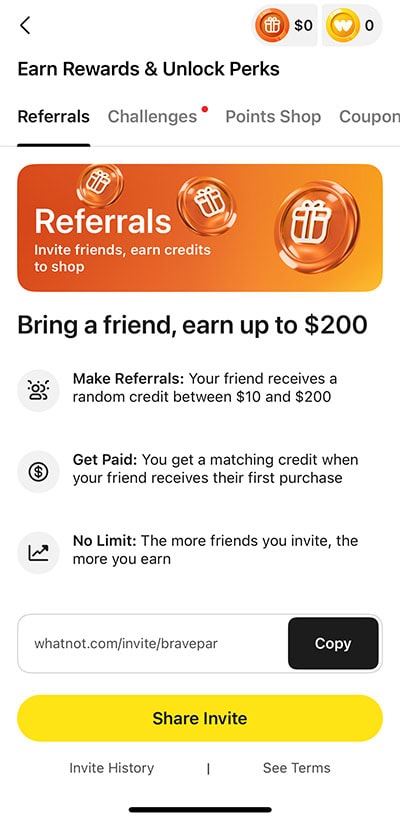
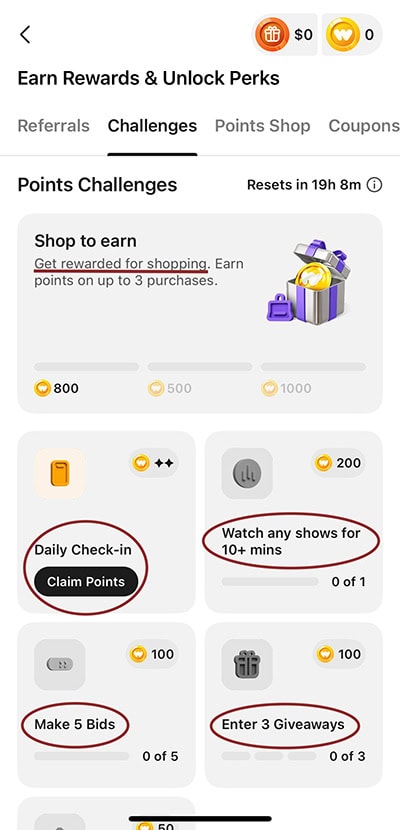
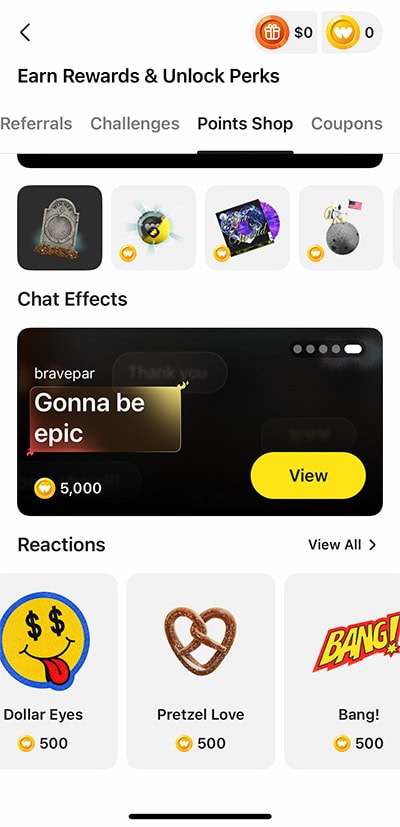
According to Whatnot, users spend an average of 95 minutes a day on the app. To their credit, the account settings allow users to set watch time limits and spending limits, both of which can be controlled with a 4-digit PIN.
When asked what makes the app so successful, one of the founders said: “Live selling works because it combines entertainment, trust, discovery, and community into one buying experience.”
#5 Rating, Review, & Biblical Considerations
Apple App Store: Depop 13+ / Vinted 4+ / Whatnot 13+
Google Play: Depop TEEN / Vinted TEEN / Whatnot MATURE 17+
Depop: 13+
Vinted: 18+
Whatnot: 18+
Brave Parenting: 18+, Parents use with caution and accountability
Shopping and spending money have always hung in the balance between wants and needs – immediate and delayed gratification – buyer’s delight and remorse.
These contrasts are now amplified as modern media, now merged with commerce, works to stimulate desire by continually placing other people’s possessions, products, and lives before our eyes. From Instagram to Pinterest, TikTok Shop to Temu, Vinted to Whatnot, shopping is now all about 24/7 access, powerful algorithms, low friction, and just enough gamification to make it fun and entertaining.
For teens, this can turn into a cycle of buy –> wear –> resell –> receive money –>buy more. A cycle that creates a rotating inventory of clothes built upon the need for new, novel, and trendy. Teens consider this a genius hack. But parents must consider whether resale is helping them steward what they own or making it easier to continually replace it.
While second-hand shopping and reselling unused items stem from a virtuous motivation, families must approach these popular apps with caution.
Resale apps are best used as tools rather than for entertainment. Because of the social media-like features built into the platforms, recreational browsing can easily turn into unregulated scrolling, and reselling can flip to buying.
We do not recommend that teens have the apps on their personal devices. If reselling through an app (versus a consignment shop) is a legitimate need, this should be done together and with the following best practices:
- Payment methods controlled by parents
- Disable promotional notifications
- Prohibit purchasing without prior approval
- Do not connect Contacts
- Disable DM from other users
- Do not participate in following/gamified incentives
All things considered, these apps do offer lessons in consumerism, materialism, self-control, greed, and patience. If you use them, be sure to discuss them and their effects on character, desire, and behavior.
And because they are so popular (and problematic) among adults, we recommend caution and accountability for parents who use these apps.
Biblical Considerations
God’s word has a lot to say about money, possessions, and the desires of the heart. The underlying theme of all these verses is contentment, the ability to be satisfied with what you have.
Keep your lives free from the love of money and be content with what you have. Hebrews 13:5
I am not saying this because I am in need, for I have learned to be content whatever the circumstances. Philippians 4:11
But godliness with contentment is great gain. For we brought nothing into the world, and we can take nothing out of it. 1 Timothy 6:6-7
Contentment is a learned virtue or moral strength. It’s not about lacking any desire but recognizing that satisfaction, peace, and identity do not depend on buying something new or having more possessions. But recognize: if contentment is learned, then its opposite, discontentment, is also learned. We believe these apps teach discontentment.
Whether you have money and possessions in abundance or scarcity, neither is morally neutral. It’s how you use what resources you have that demonstrates the moral strength of contentment.
In the Parable of the Rich Fool in Luke 12, Jesus warned the crowd gathered around him:
Watch out! Be on your guard against all kinds of greed; life does not consist in an abundance of possessions. Luke 12:15
We would also add that life does not consist in an abundance of entertainment, which is a driving yet destructive force in today’s attention economy. Resale apps combine two powerful influences: possessions and entertainment, both of which can disorder the desires of the heart.
If Christians are called to be set apart (2 Cor 6:14-18), to walk the narrow path that few are on (Matt 7:14), and remain unconformed by the patterns of this world (Rom 12:2), then we must guard against satisfying every permissible desire with modern media and technologies (Prov 4:23). Just because we can doesn’t mean we should (1 Cor 6:12).
Christian Moms, remember that you are a role model. Every moment your daughter sees you on your phone, selling, buying, scrolling, and desiring, she is learning what it looks like to be a consumer, an adult, a mother, and a mature Christian. You have the great responsibility to demonstrate what contentment looks like.
Be on your guard. Remain strong in the faith. Be brave. 1 Corinthians 16:13