Wish List apps serve a legitimate purpose for digitally curating a list of desired gifts for family and friends to shop from.
But before parents grant an easy yes to downloading one of these apps, it’s wise to consider what happens when consumerism, social comparison, influencer culture, and frictionless shopping intersect.
Here are the 5 Facts about Wish List apps that you need to know.
#1 Incredibly Easy to Use
A few of the most popular free Wish List apps on the App Store are Giftful, GoWish, and Listful. All use a similar user interface, but we found Giftful to be the most user-friendly.
Download and setup are easy, with a username, email, and password required. No extensive questions about what you like and don’t like (although GoWish asks a few questions, they can be skipped).
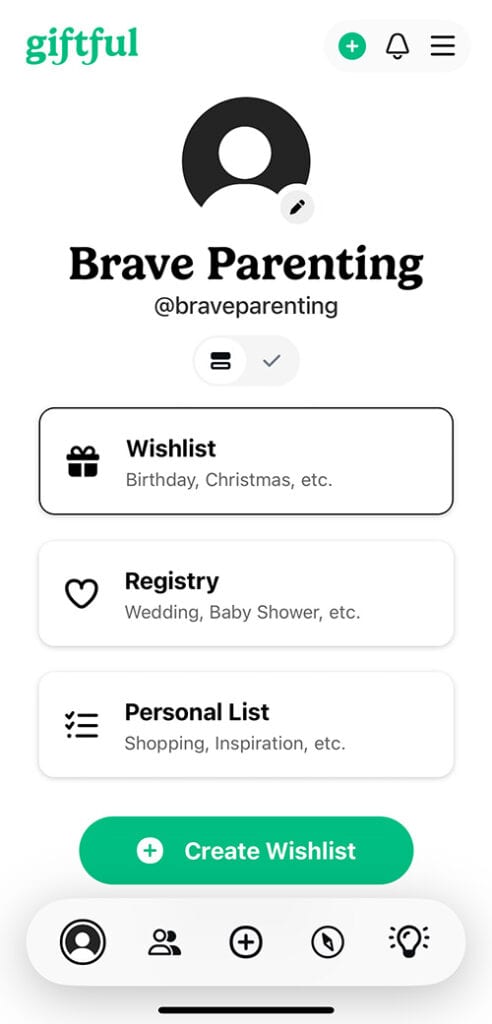
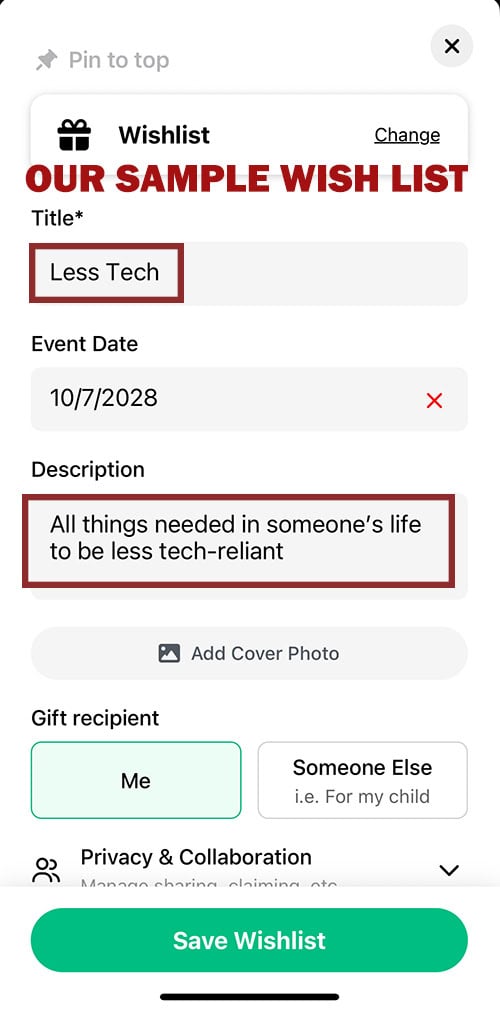
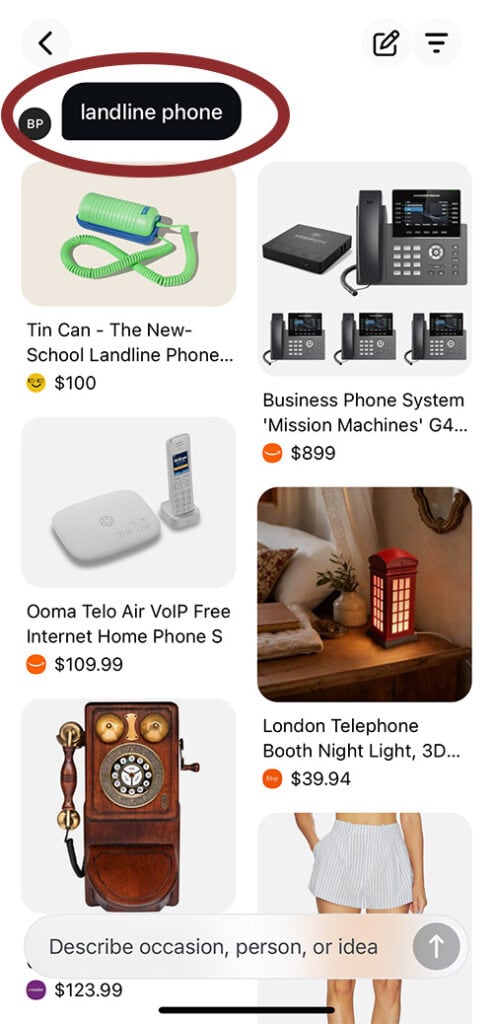
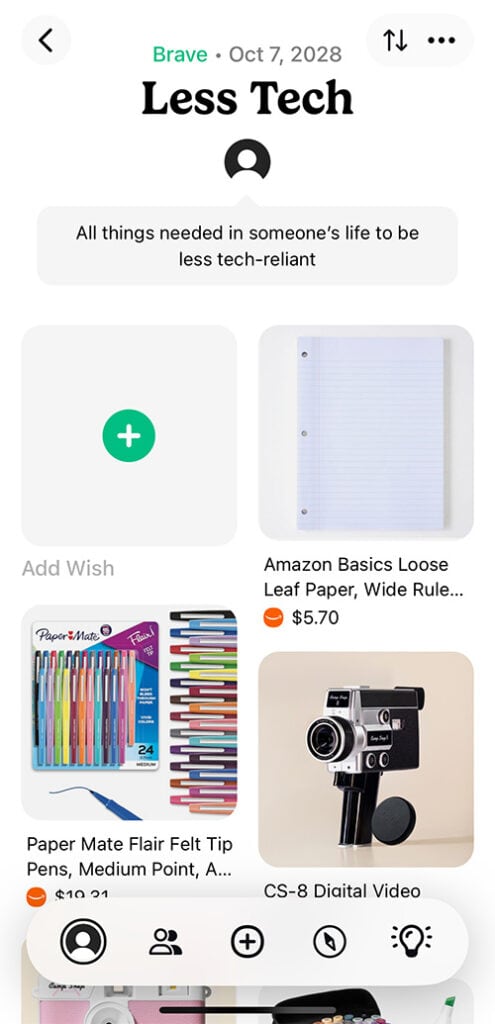
Pick what type of list you want to create: Wishlist (Birthday, Christmas, etc.), Registry (Wedding, Baby Shower, etc.), or Personal List (Shopping, Inspiration, etc.). Title your list, add an event date, description, cover photo, and a gift recipient. Then you’re ready to add items to your list!
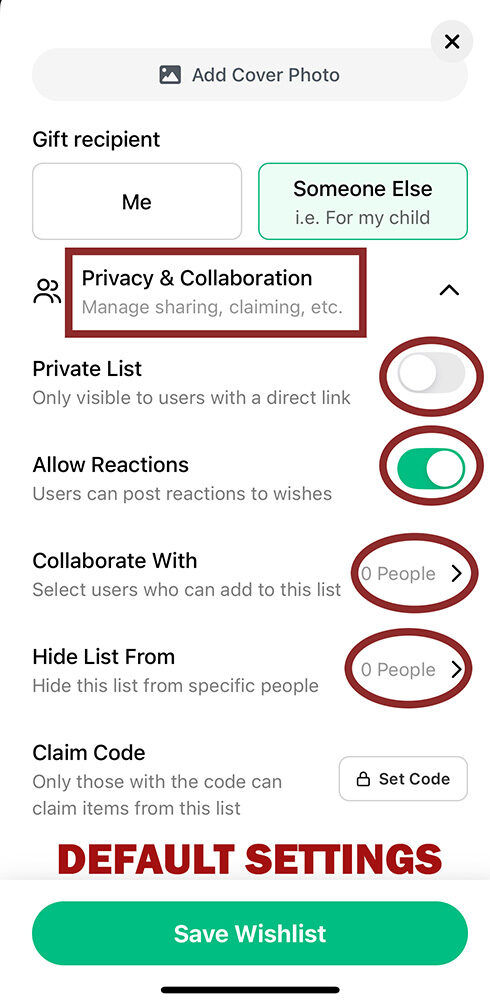 You can also adjust Privacy & Collaboration settings:
- Make the list private. The list will only be available to those with the direct link. Otherwise, lists are available for public viewing.
- Allow reactions. This allows users to post reactions to wishes. If the list isn’t private, that means anyone on the app could respond.
- Collaborate With other users who can add to the list.
- Hide List From specific people (i.e., for a surprise party, or………just from parents)
- Claim Code. This provides a shareable code that allows users to claim items from the list.
Giftful makes it easy to find gifts to add to your list. If you have a link copied, you can paste it into the wishlist. Other options include taking a picture of something to search for it, or finding ideas through the search inquiry field.
#2 Everything You Never Knew You Wanted
Discover what you want. Organize everything you want. Share what you want. Receive what you want. The apps want to make sure you know it’s all about you and what you want.
Again, it’s easy to see the pragmatic benefit of apps like these. The overarching concern, however, is the rise of materialism and consumerism among adolescents: wanting more and feeling entitled to it.
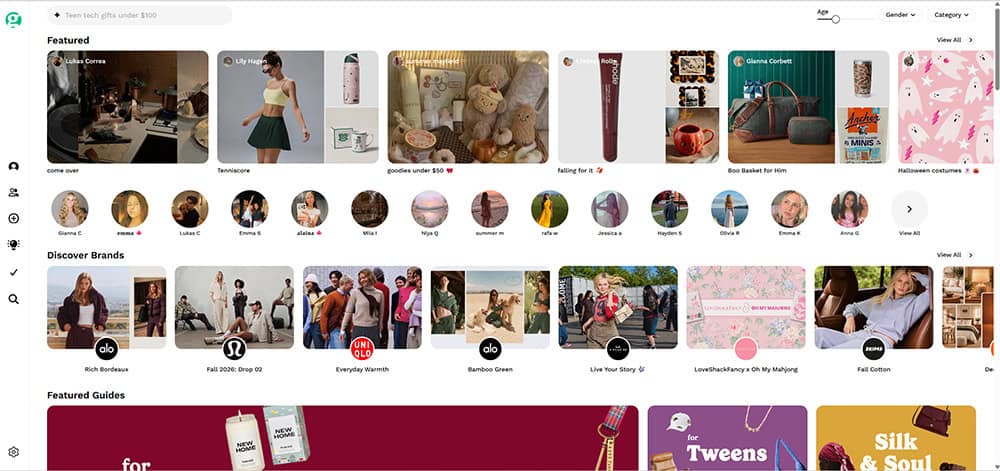
It’s one thing to make a list of things that you’ve been wanting for your birthday to share with family. It’s another thing to open the app in boredom and look for things you “want” or “need.”
Giftful encourages users to search by topic or idea, to browse trending products and curated collections, and to shop by popular brands. And if all of that still leaves you uninspired, you can swipe through other users’ wish lists (regardless of whether you know them, because wish lists are public by default).
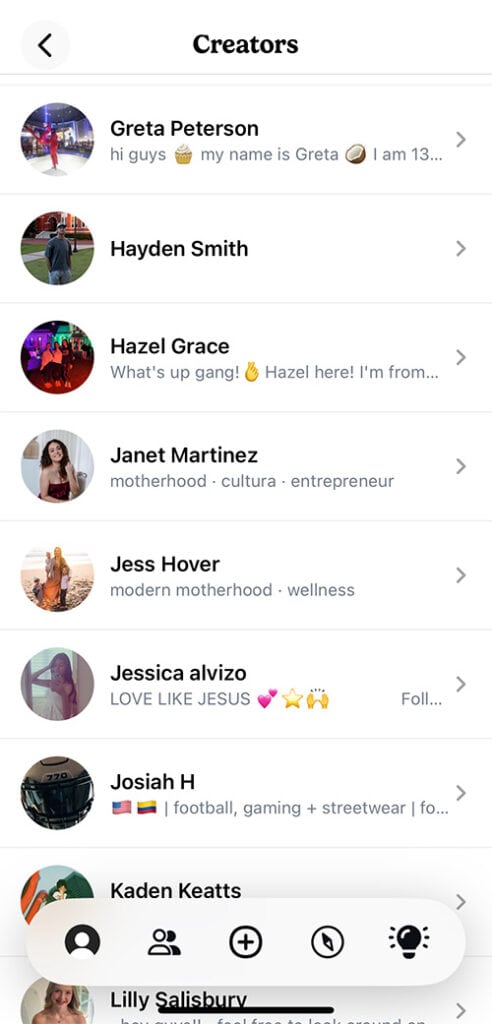
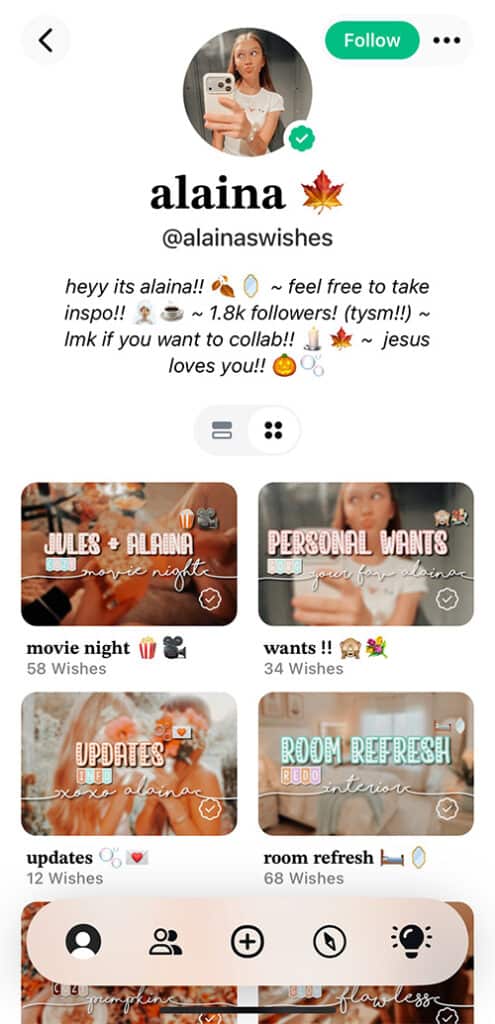
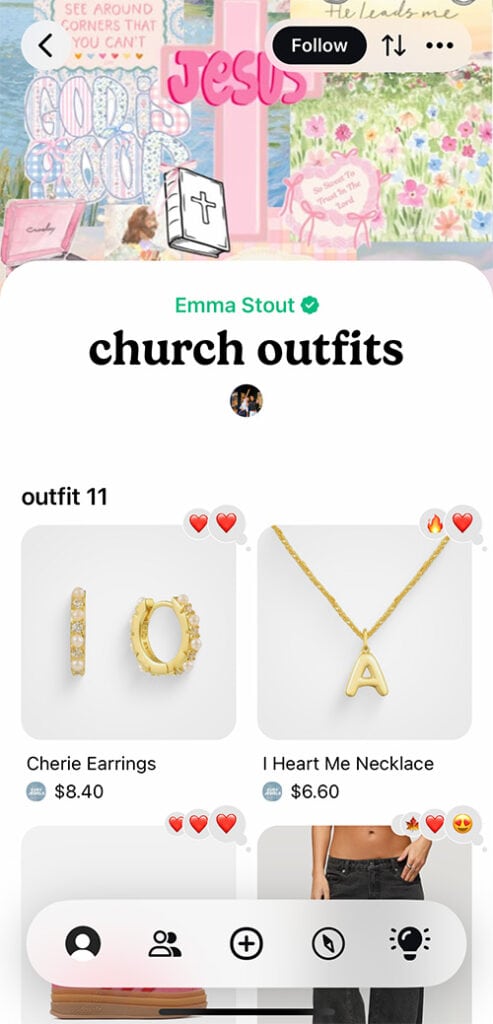
In this way, these apps are far more than a way to document a few desired items. Instead, they can act as a desire generator, producing covetousness and longing in the heart for “stuff.” Stuff they didn’t even know they wanted.
#3 Social Comparison & Identity
When apps like these surge in popularity among preteens and teens, it’s easy for them to become a form of identity or even a status symbol. What is on your list feels like a definition of who you are.
Girls especially. Stanley or Owala? Alo or Lululemon? Which Sephora brands? Which aesthetic: “old money,” “clean girl,” “preppy,” or “cottagecore”? When items are added to their wish list, it gives them a small sense of individuality in a cookie-cutter culture of recommendation algorithms. But in reality, does the teen altruistically like the product? Or do they desire it because everyone else desires it?
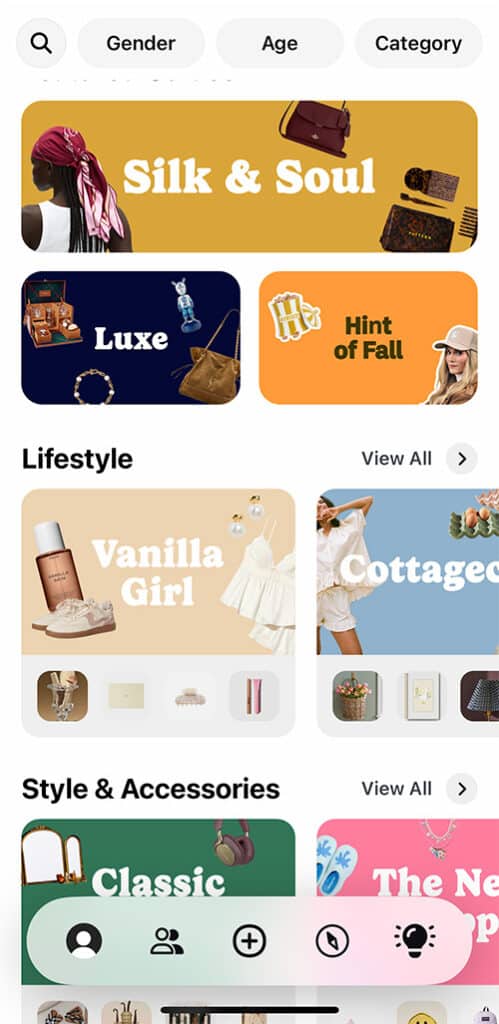
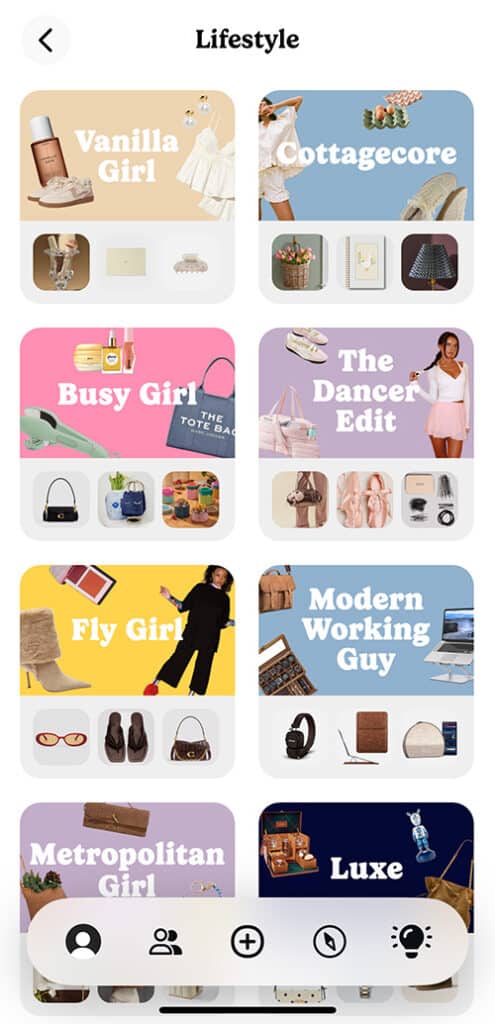
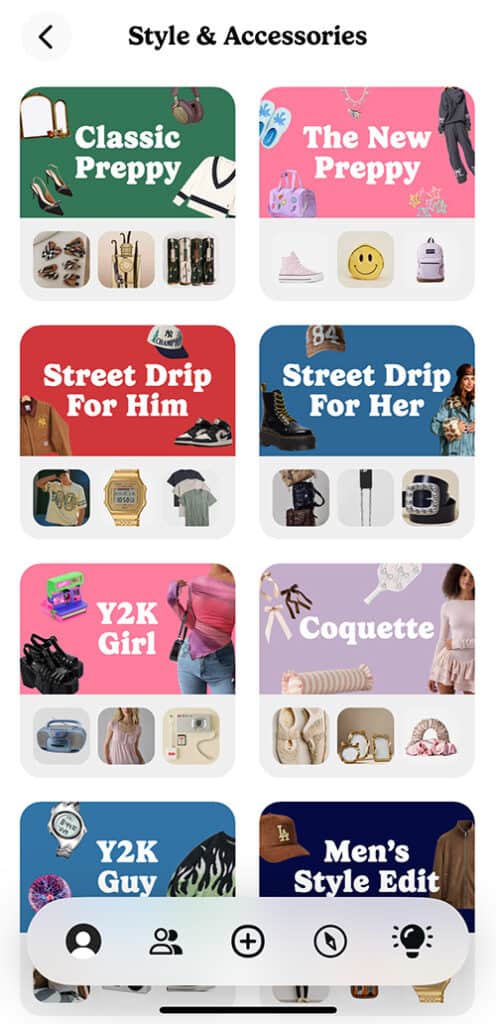
Similarly, just as social media allows young people to curate an image they want others to see, a wish list works the same way. They can add the size 0 jeans (even if they’re really a size 2) or luxury fashion items (no one will actually buy) just to gain leverage in the unspoken game of social comparison.
For teens navigating status, belonging, and insecurity, wish lists can easily become another visible (yet false) measure of worth.
#4 The Financial Incentive
These apps are free, which means they maintain profitability in other ways. Giftful and GoWish reportedly receive affiliate commissions from every gift purchased through their links.
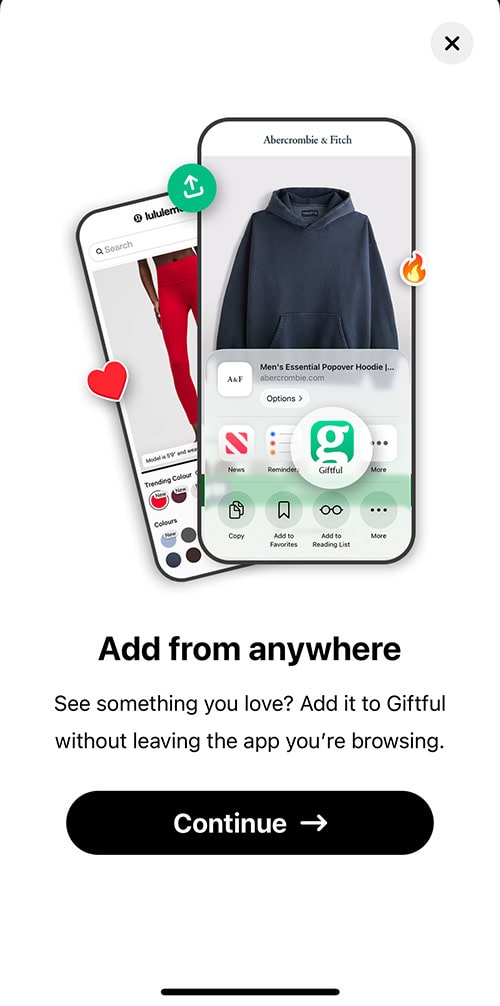 While users can drop a link from anywhere online into their wishlist, these apps do have a financial incentive to keep fresh products and brands in front of the user. The more links added, the more links clicked to purchase, the more commission they earn. Which is why the app/website offers product suggestions by brand, age, gender, or AI-generated prompts.
This isn’t an unethical business model, but it also isn’t devoid of consumerist tactics of materialism. So basically, parents must recognize that these apps are not the same as recording gift ideas in the Notes app or even jotting them down on paper.
#5 Rating, Review, & Biblical Considerations
Giftful: 18+ or under 18 with parental consent and supervision *Parental Controls Available*
GoWish: 15+ *Parent Managed Kids Account Available*
Listful: 13+
Apple App Store: Giftful 4+ / GoWish 4+ / Listful 4+
Google Play: Giftful T for Teen / GoWish T for Teen / Listful E for Everyone
Brave Parenting: 16+
Wish list apps can be a useful tool. But because they enable reactions, followers, trending feeds, curated recommendations, public viewing, and public sharing, they essentially function like social media. More than a shopping and list-making utility, the app can consume valuable time in a teen’s life, growing superficial desires.
We recommend this app for personal use by those over 16, in line with our guidance for social media apps. This doesn’t mean it will be healthy or beneficial for every 16-year-old, but generally speaking, they are less likely to be overcome by apps like these.
For those under 16, we recommend that the parent download and maintain the child’s wish list. The list can still be shared with family, but the child must convey their desired gifts for the parent to add rather than searching and scrolling through limitless suggestions. This ensures the app is a tool, not entertainment.
Further best practices include:
- Keep profiles and lists private.
- Discourage following and gaining followers.
- Turn notifications off (price drops, trending items, deals, and product recommendations).
- Make lists suggestive rather than obligatory.
- Practice thoughtful giving without a list
- Handwritten thank-you cards for all gifts received.
Biblical Considerations
For Christian parents with a heart to disciple their children in the knowledge and instruction of the Lord, there are deeper concerns to consider regarding Wish List apps.
Discipleship is not about ensuring the child receives the exact gifts they asked for, but rather about ensuring that the desires of their heart are rightly ordered. The Word of God speaks often and clearly about wanting, desiring, and coveting, alongside instructions for contentment, gratitude, and giving rather than receiving.
Contentment
But godliness with contentment is great gain. For we brought nothing into the world, and we can take nothing out of it.But if we have food and clothing, we will be content with that. 1 Tim. 6:6-8
Keep your lives free from the love of money and be content with what you have, because God has said, “Never will I leave you; never will I forsake you.” Hebrews 13:5
God’s Word is inherent; it does not change or diminish in meaning as culture and society change and adapt to the information and artificial-intelligence age. Therefore, godliness with trendy clothes, jewelry, and essential skin care products is not great gain. If Scripture instructs us to be content with what we have and to keep our hearts free from the love of money (which can purchase our desires), then a Wish List app does not help a teen abide in Christ and obey His Word.
Contentment is not a virtue that we are born with. Contentment must be cultivated and protected.
Gratitude
Rejoice always, pray continually, give thanks in all circumstances; for this is God’s will for you in Christ Jesus. 1 Thes. 5:16-18
Whatever you do, whether in word or deed, do it all in the name of the Lord Jesus, giving thanks to God the Father through him. Col. 3:17
Scripture commends gratitude as the transformative spiritual practice that reorients the mind and heart away from fear, entitlement, and discontentment and toward trust, peace, and worship.
If a Christian, young or old, were to make a gratitude list of all God has given them before making a birthday or Christmas list, the materialistic desires would be diminished. Not only does Scripture describe how gratitude leads to this transformation, but science does as well.
Generosity
One gives freely, yet grows all the richer; another withholds what he should give, and only suffers want. Proverbs 11:24
I have not coveted anyone’s silver or gold or clothing…In everything I did, I showed you that by this kind of hard work we must help the weak, remembering the words the Lord Jesus himself said: ‘It is more blessed to give than to receive.’ ” Acts 20:33,35
Generosity is a desired character trait of kindness and unselfish giving. It flows from being image-bearers of a generous God and our sanctification to be more like Christ. We know that every good and perfect gift comes from God (James 1:17), as He is the ultimate giver who gave His Son to die for our sins (John 3:16). God challenges us to be generous as a measure of our trust in His provision and blessing (Luke 6:38).
Claiming a gift on a Wish List app doesn’t always feel like generosity, but more like completing a task or an obligation. Generosity is stirred in the heart when, in knowing a person so well, you thoughtfully select a gift they will love regardless of whether it’s their birthday. Generosity is expecting nothing in return.
Ultimately, Christian parents can apply the wisdom Jesus taught:
If your right eye causes you to stumble, gouge it out and throw it away. It is better for you to lose one part of your body than for your whole body to be thrown into hell.And if your right hand causes you to stumble, cut it off and throw it away. It is better for you to lose one part of your body than for your whole body to go into hell. Matthew 5:29-30
If a Wish List app causes you or your children to covet, to be greedy, to be discontented, or to act entitled, delete it. Cut it off. Do not let a modern convenience derail their faith, trust, and obedience to God’s Word.